
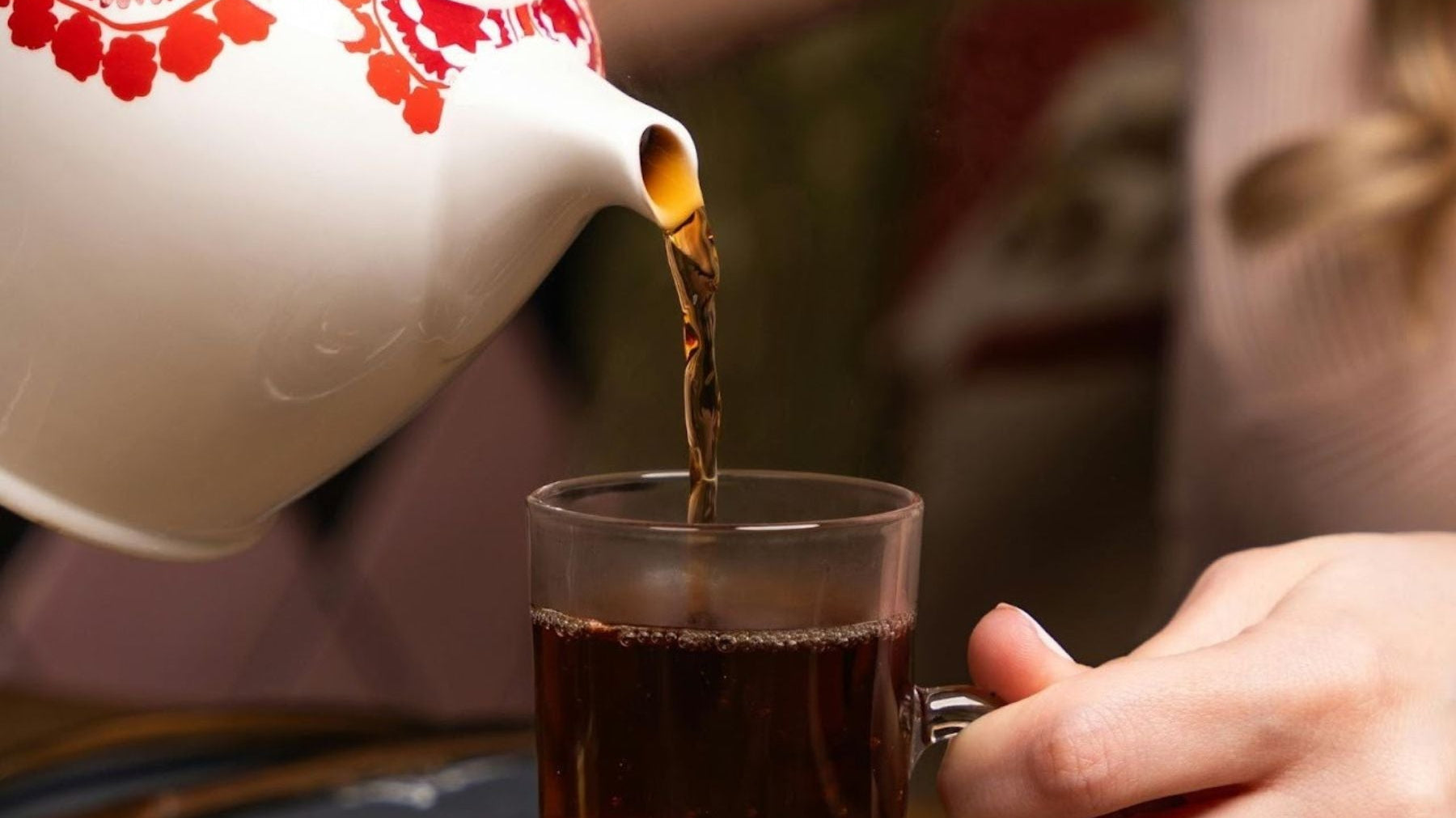
Black tea naturally contains caffeine, but with simple brewing adjustments or decaf options, it can still fit comfortably into a lower-caffeine daily routine.
Blog
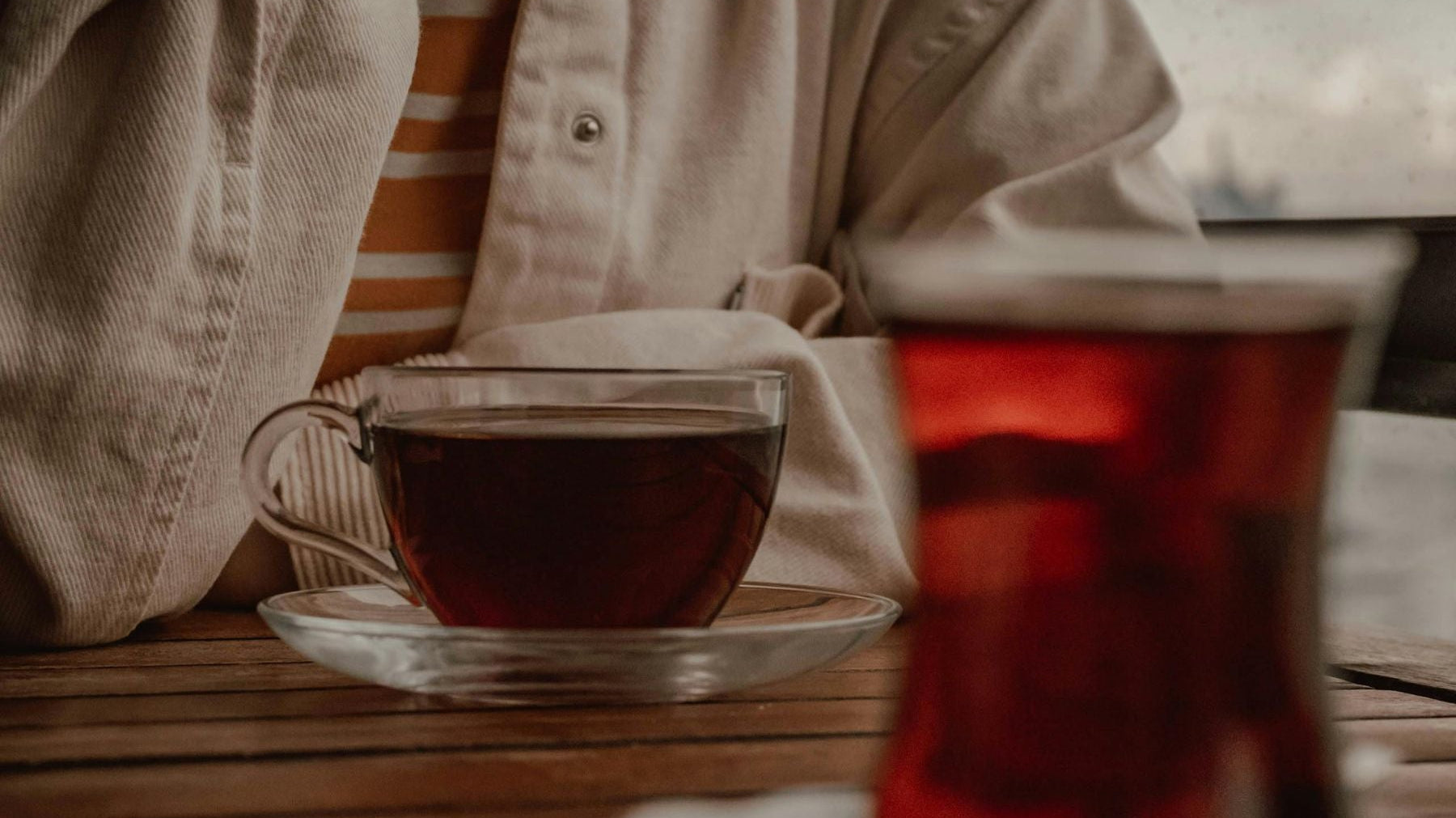
Decaf vs Regular Black Tea: Taste Differences in 5 Simple Sips
A clear comparison of decaf and regular black tea, focusing on what actually changes in flavor and texture. Understand how decaffeination affects body, briskness, and overall experience. Know what to expect before switching your daily cup.

Does Tea Dehydrate or Keep You Awake?
A clear breakdown of whether tea affects hydration and sleep, and how timing and type make the difference.
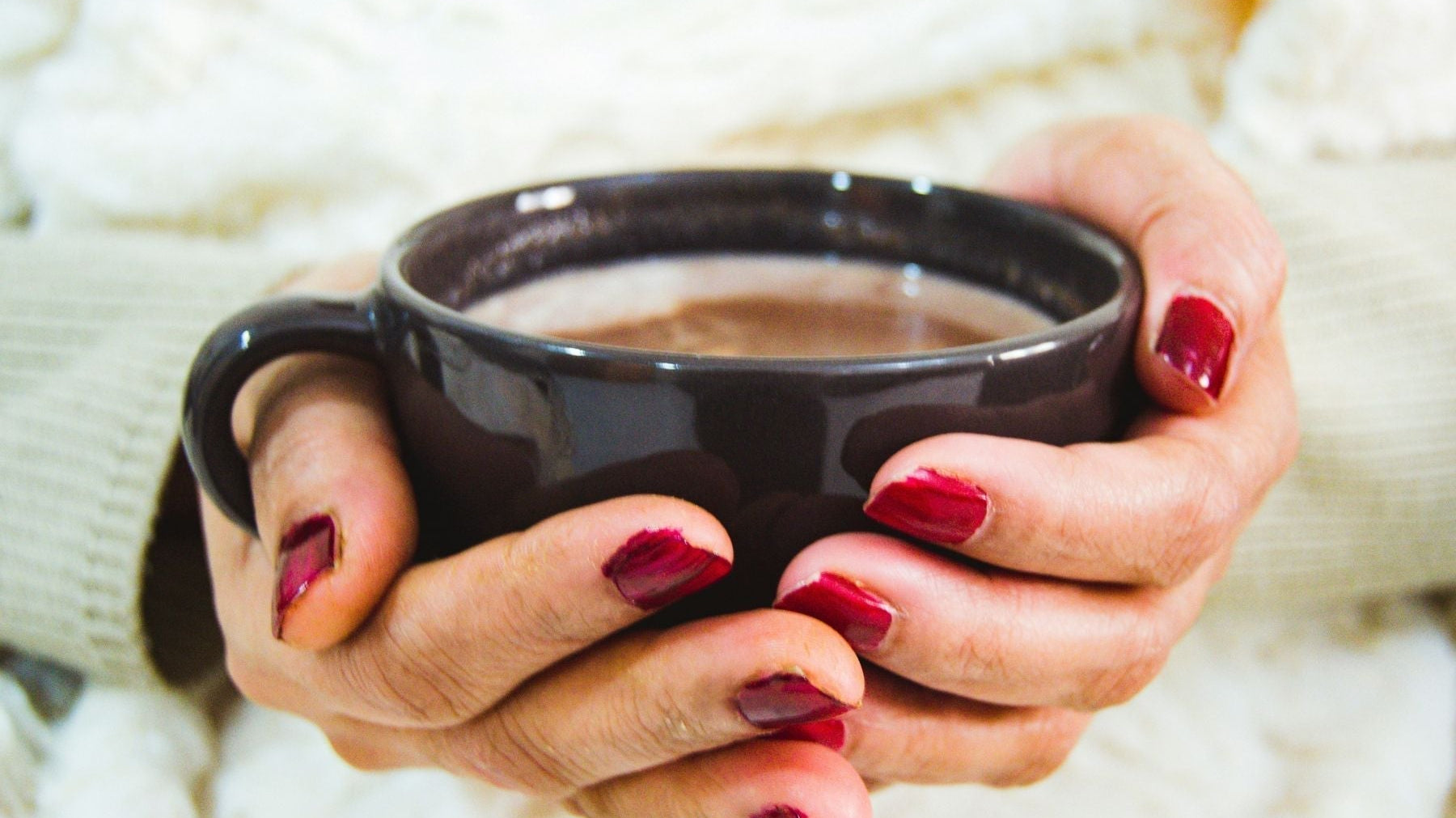
Why We Crave Warm Drinks Even When We Don’t Want Caffeine
A clear explanation of why warm drinks feel comforting at night and how tea supports relaxation without needing caffeine.

What Is the Best Tea Before Bed?
A simple guide to choosing caffeine-free herbal tea that supports a calm, consistent nighttime routine.

Switching From Black Tea to Decaf: What Changes (And What Doesn’t)
Decaf tea offers the familiar taste of black tea with significantly less caffeine, allowing tea routines to continue throughout the day.
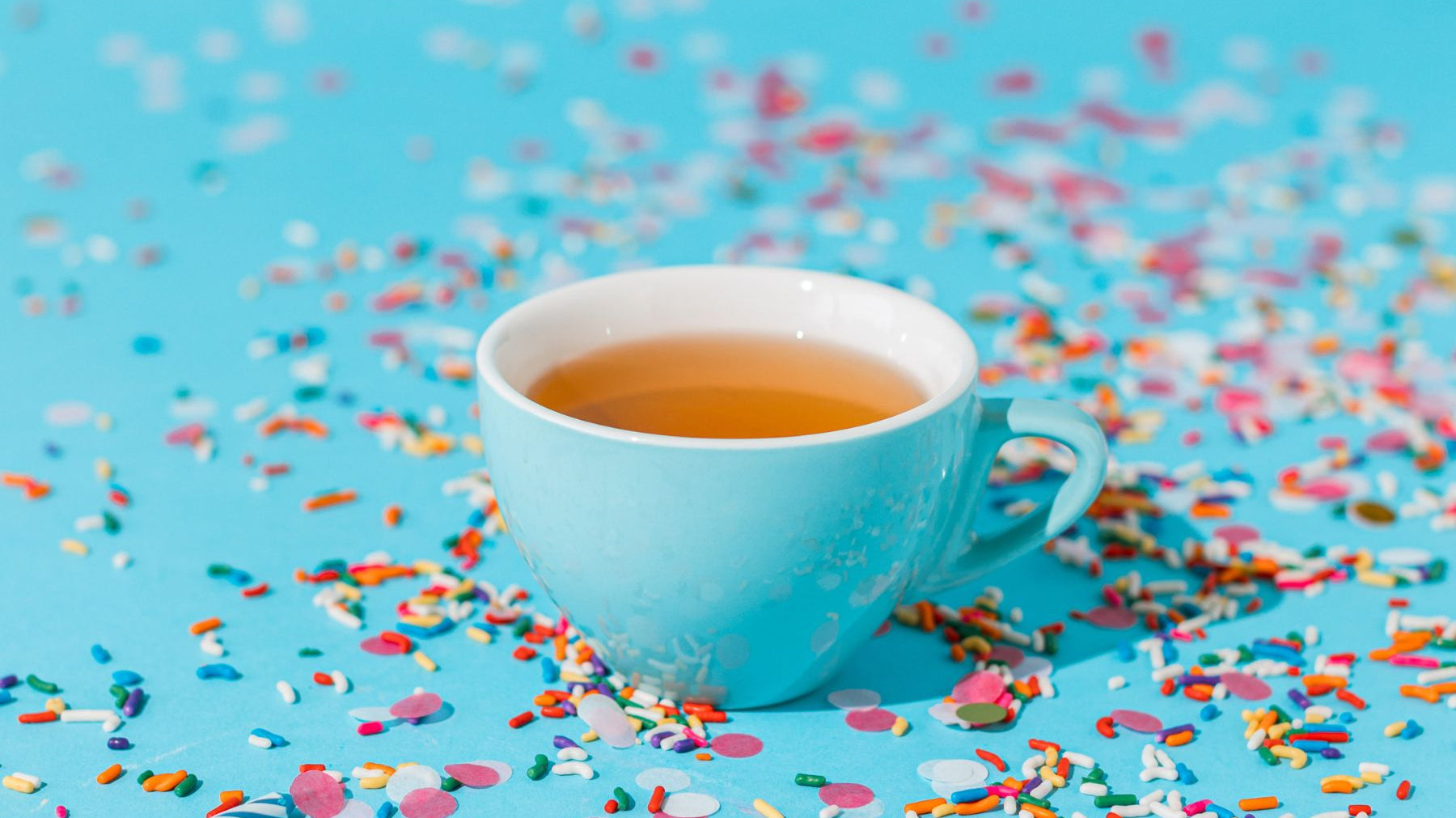
Dessert Tea? Really?
Dessert tea uses aroma, spices, and natural extracts to create dessert-like flavors without sugar, often in caffeine-free herbal or rooibos blends.
Can Tea Affect Sleep? What to Drink at Night Instead
Tea can affect sleep due to caffeine content, with timing, sensitivity, and tea type influencing how it impacts nighttime rest.
Is Decaf Tea Really Caffeine-Free?
Decaf tea is not completely caffeine-free, typically containing 2–5 mg per cup while retaining the flavor and character of traditional tea.
Which Tea Has the Most Caffeine (And What to Drink Instead)
Black tea typically contains the most caffeine among common teas, followed by oolong, green, and white tea, while herbal infusions are naturally caffeine free.
Green Tea vs Black Tea: Which One Won’t Disrupt Your Sleep?
Green tea is generally less likely to disrupt sleep than black tea due to lower caffeine and shorter stimulation, but timing has the biggest impact.
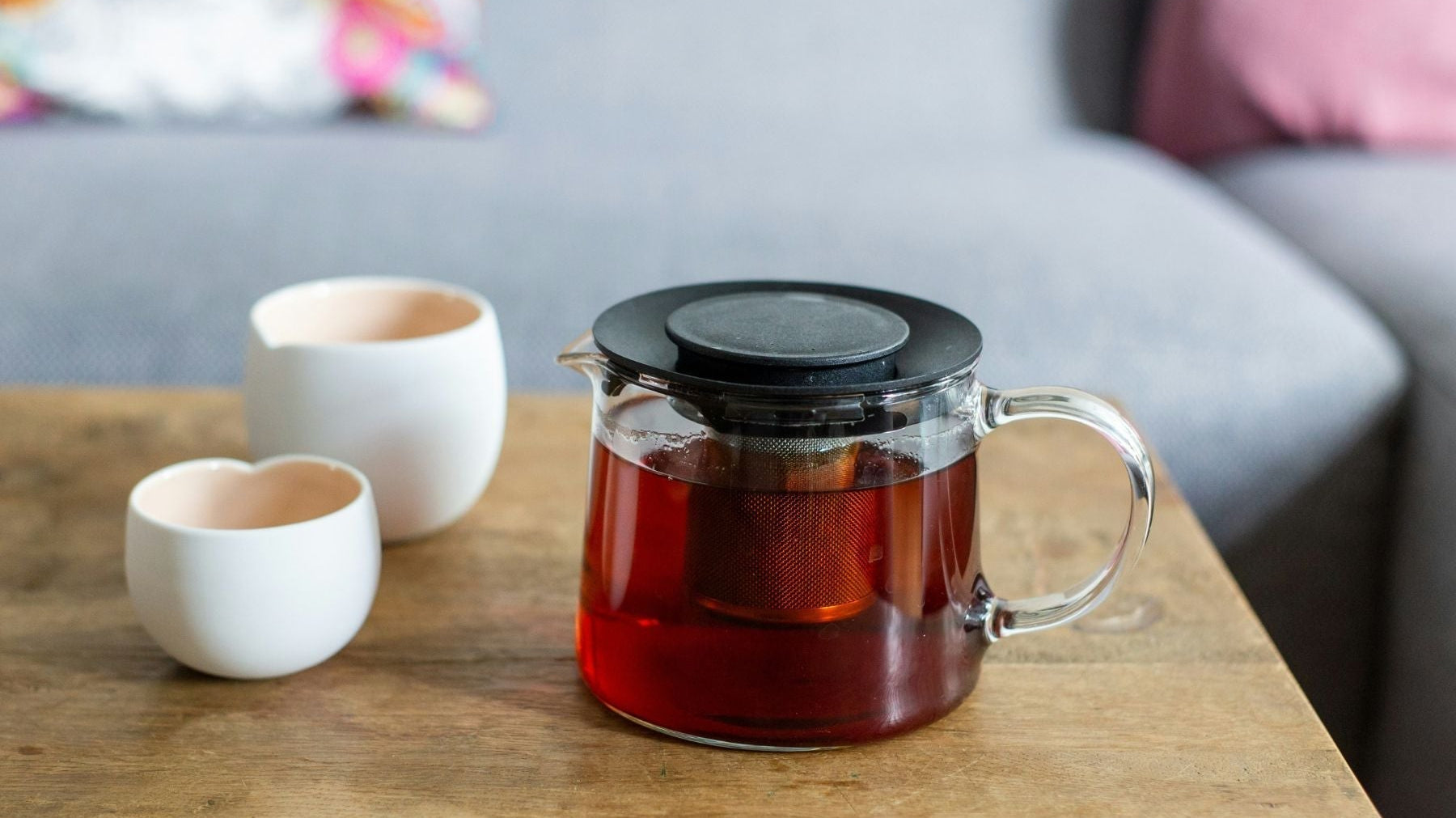
How Much Caffeine Is in Black Tea (And When It’s Too Much)
Black tea contains 40–70 mg of caffeine per cup, delivering steady, balanced energy that sits between coffee and green tea.